
Claims

Accident? Start here.

Nobody reads this page on a good day. If you are standing on the shoulder right now, work the checklist below and call us. Everything else on this page can wait until you are somewhere safe.

Report a claim

(877) 389-2471

Mon–Fri, 8am–5pm PST

Claims specialist

Roberto handles claims start to finish.

Nights and weekends

Your carrier’s 24/7 claims number is printed on the insurance card in your truck. Use it after hours, then call us the next business day so we can take over the file.

At the scene

Eight things, in this order.

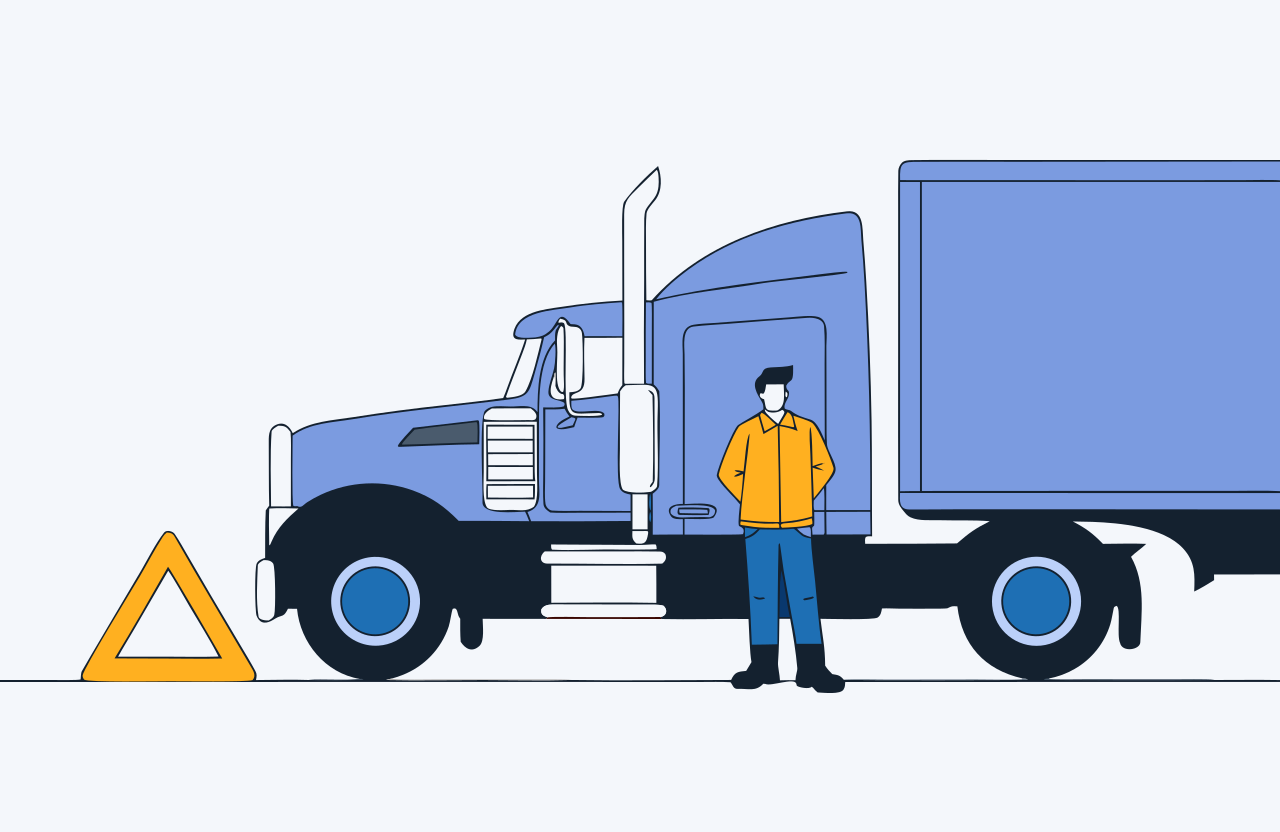
  1. Semi truck pulled onto a highway shoulder with a reflective warning triangle set out behind it

    Get safe, check for injuries

    Pull clear of traffic if the truck still moves. Triangles out, four-ways on. People come before equipment, freight, and paperwork.

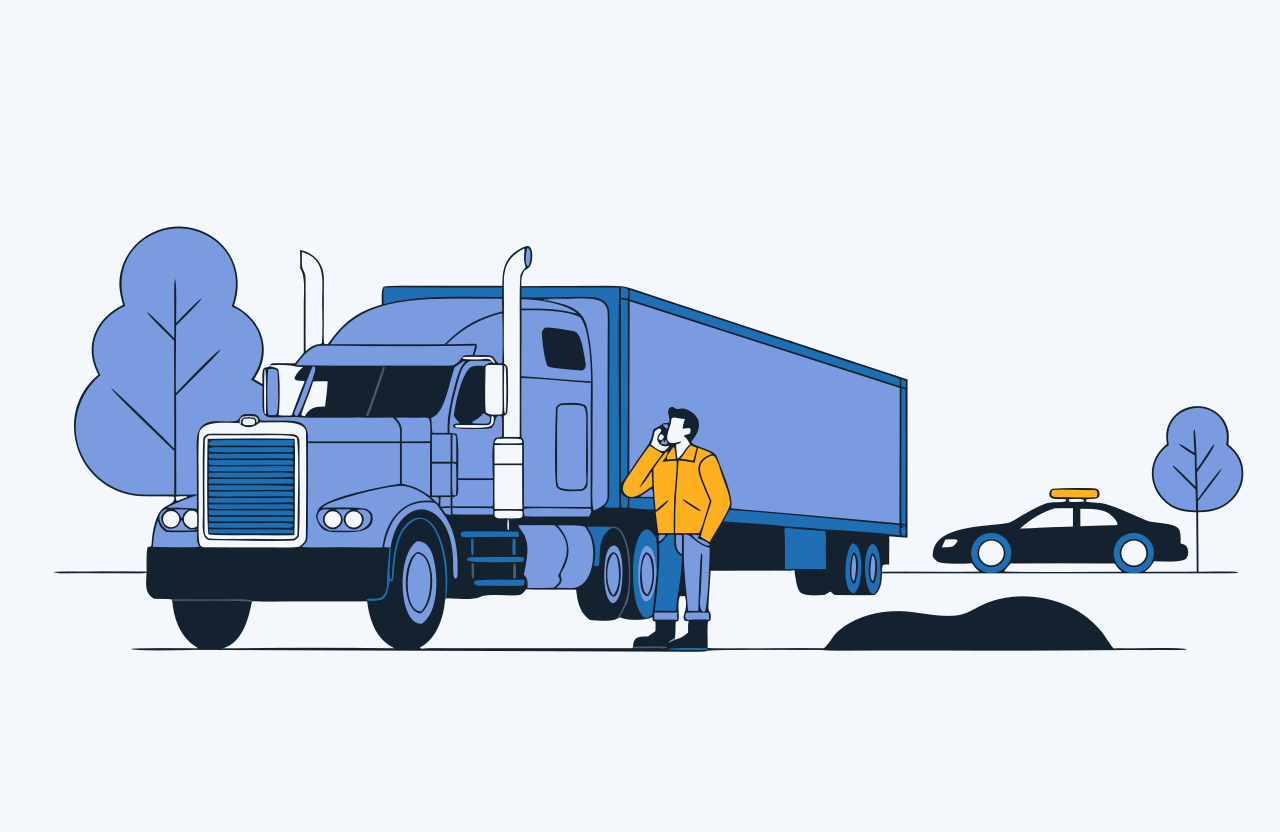
  2. Truck driver on his cell phone at the roadside with police lights in the distance

    Call 911

    Report it even when the damage looks minor. A police report is the single most useful document in a disputed claim, and you cannot get one after everyone leaves.

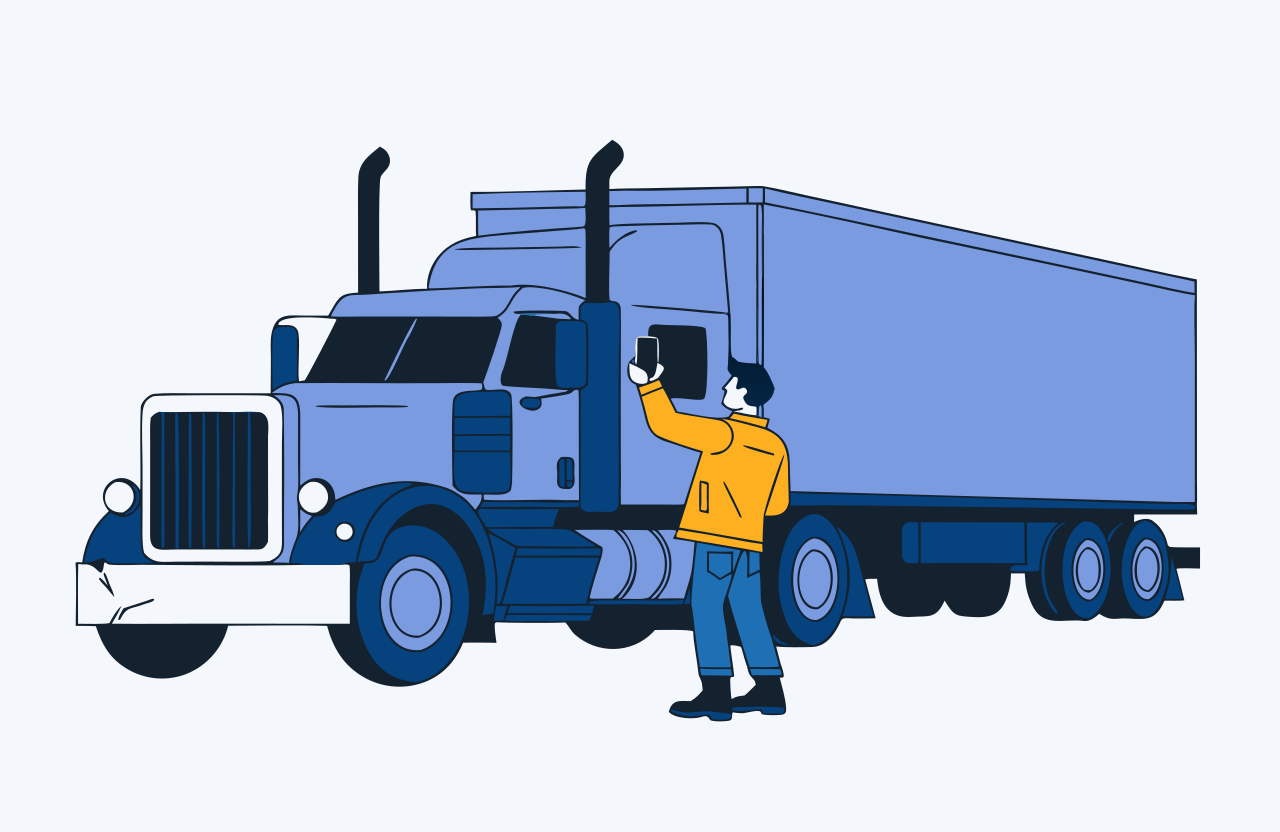
  3. Driver photographing damage to a semi truck bumper with a phone

    Photograph everything

    All vehicles from every angle, close-ups of the damage, skid marks, road conditions, traffic signs, and the other driver’s plate. Too many photos has never hurt a claim.

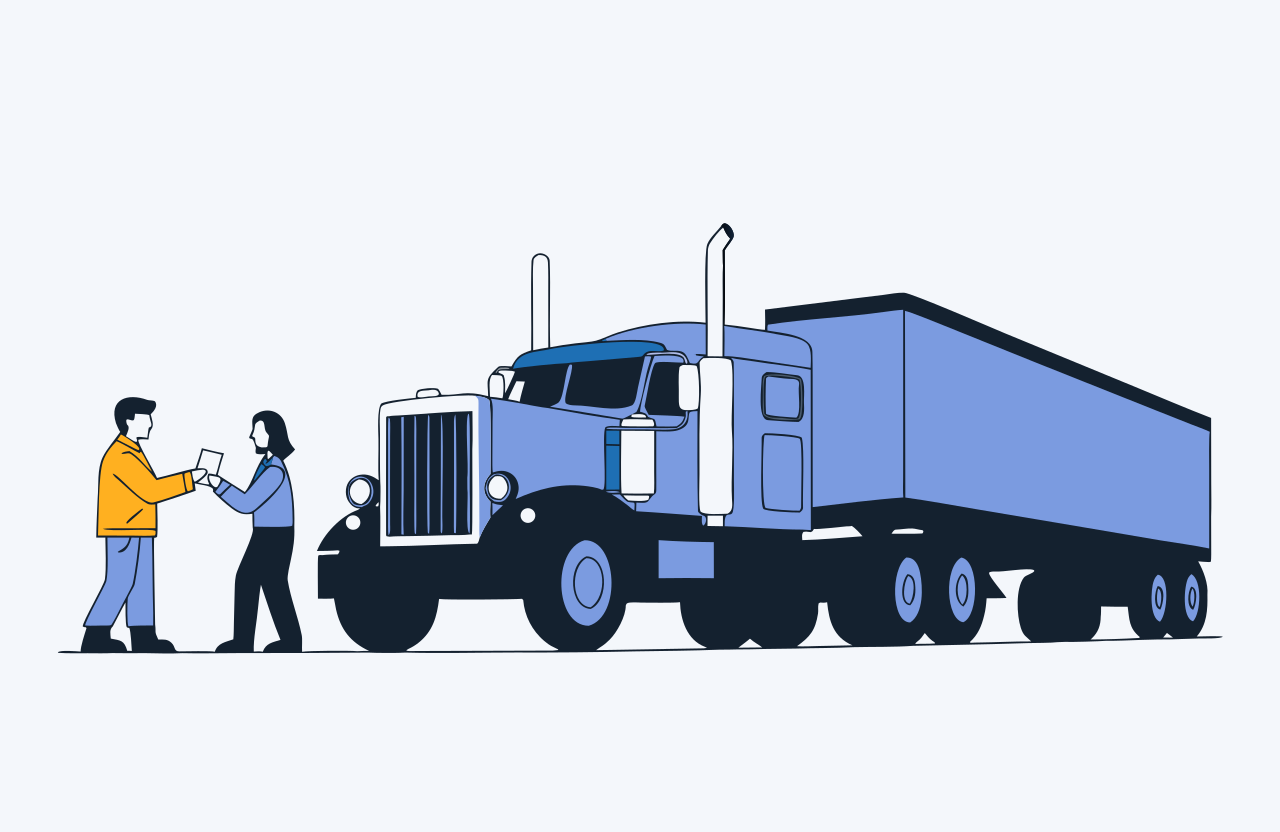
  4. Two drivers exchanging insurance paperwork on a clipboard beside a semi truck

    Exchange information

    Name, phone, insurance company, policy number, and plate for every vehicle involved. Get names and numbers for any witness before they drive off.

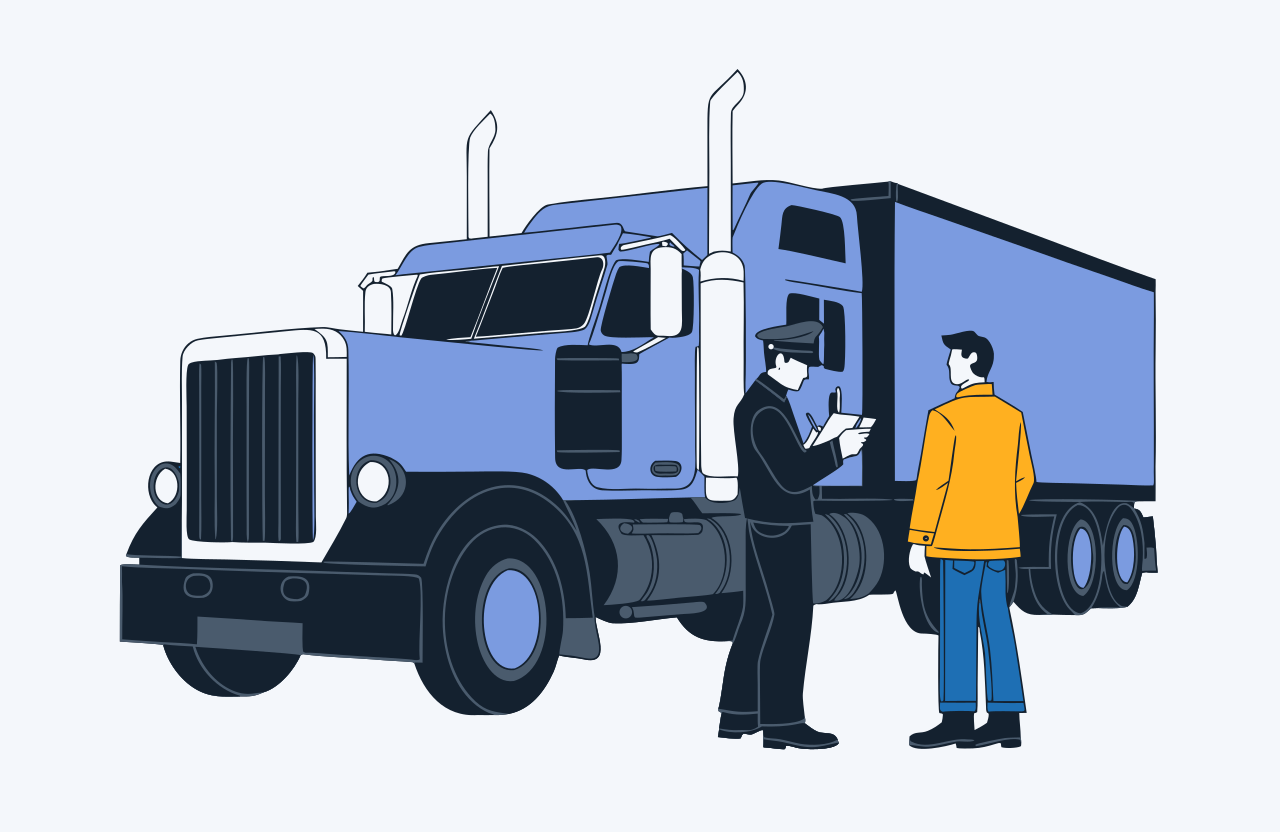
  5. Police officer taking notes while a truck driver stands calmly nearby

    Say nothing about fault

    Answer the officer’s questions honestly and stop there. Do not apologize, speculate, or agree to settle privately. Fault is decided later, from evidence.

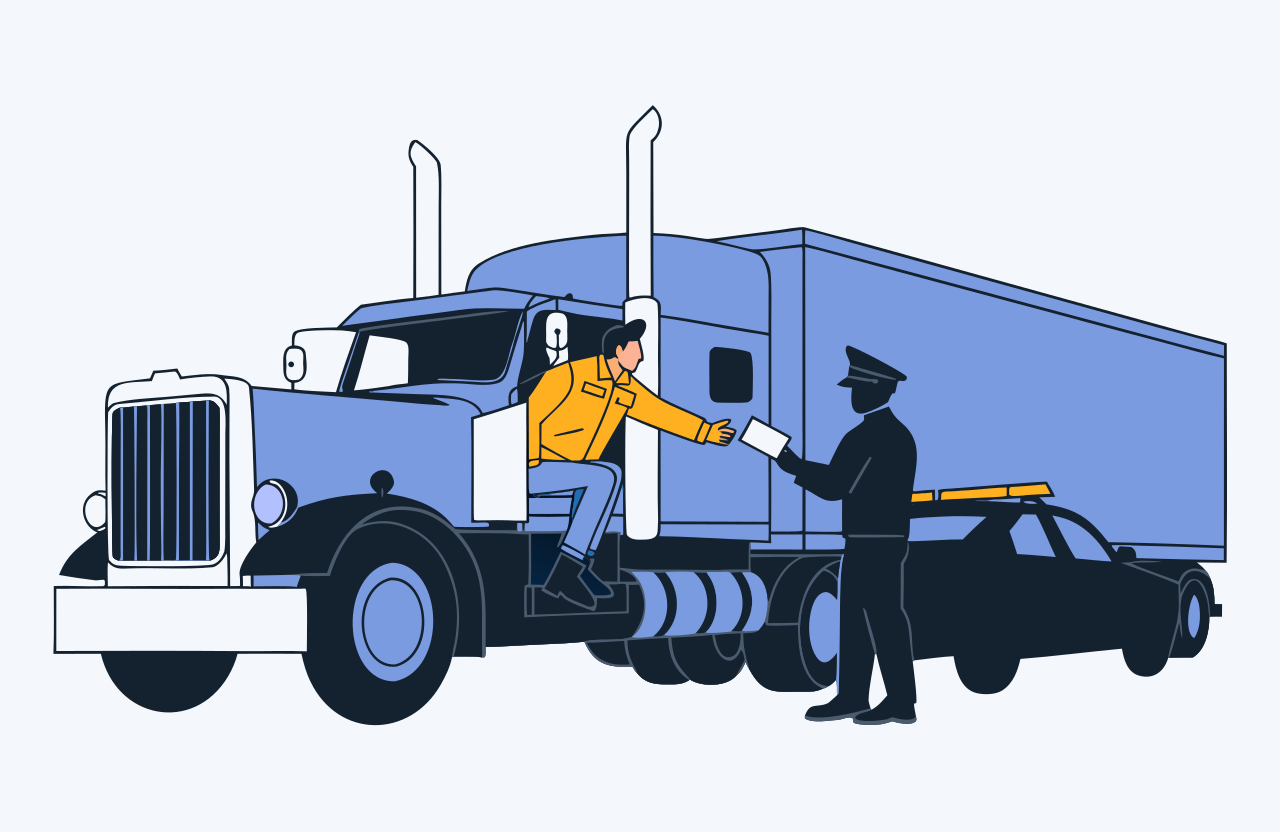
  6. Police officer handing a card with the incident number to a truck driver

    Get the report number

    Ask the responding officer for the report or incident number and the agency handling it. That number is the first thing every adjuster asks for.

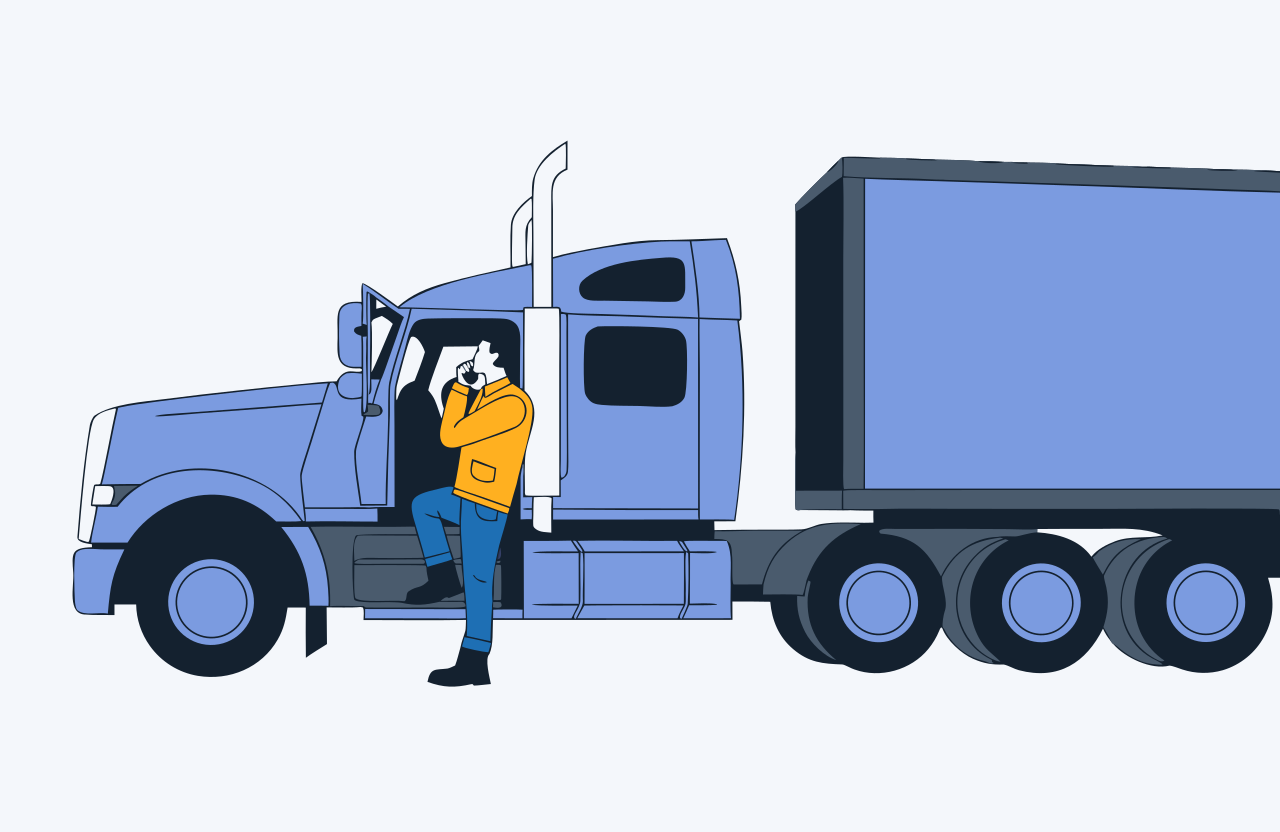
  7. Truck driver calling his insurance agent from the step of his cab

    Call us

    Reach out from the scene if you can, or as soon as you are safe. We open the claim with your carrier the same day and stay on it until the file closes.

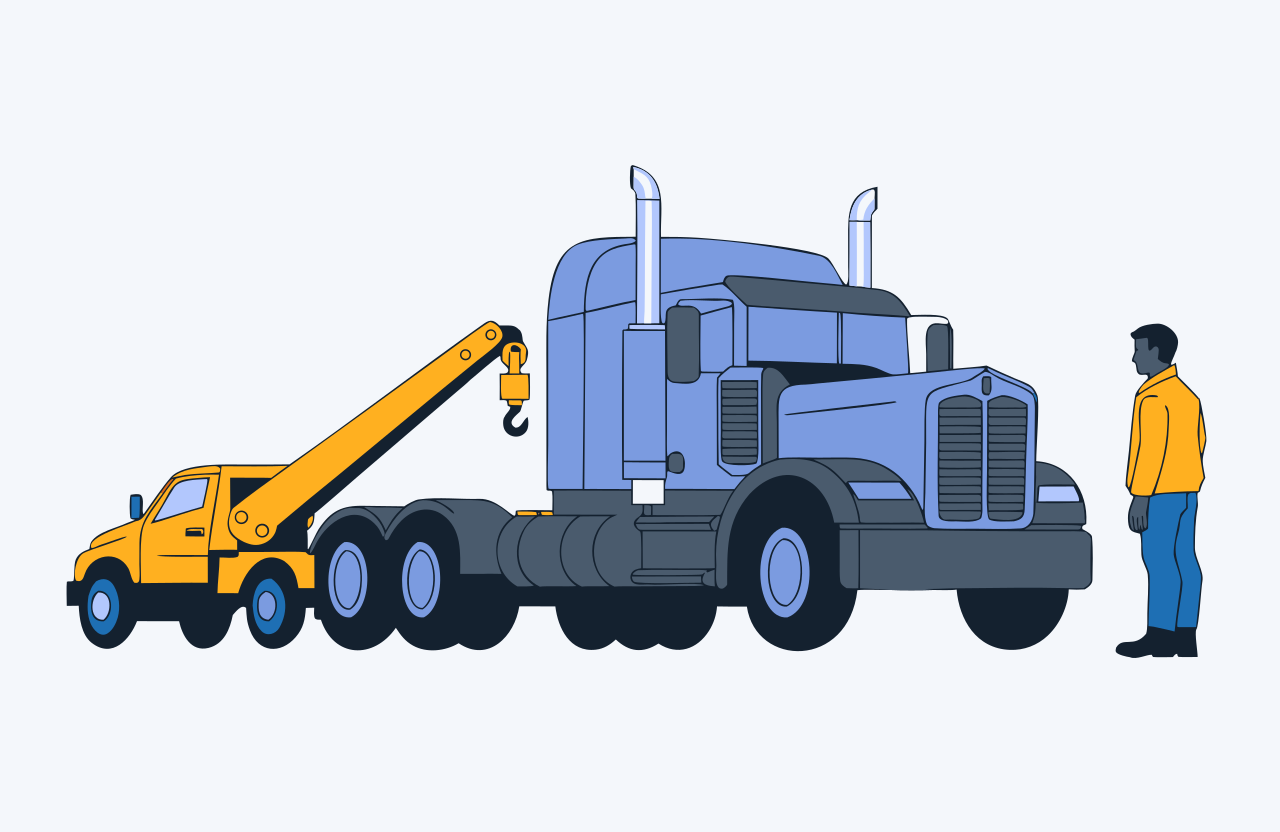
  8. Tow truck with amber lights hooked to a semi tractor at dusk

    Wait on repairs

    Get the truck towed somewhere secure, but do not authorize teardown or repairs until the adjuster has seen it. Early work can cost you the payout.

How your coverage responds

Which policy pays, and when.

A trucking program is a stack of separate policies. After a loss, the question is which layer answers. Here is the short version of each.

Auto liability

You were at fault and someone else got hurt or lost property.

Pays the other party’s injuries and property damage, and covers your legal defense on covered claims. This is the line your MC number depends on, and the one a serious injury claim runs through.

Full details

Physical damage

Your truck or trailer is wrecked, burned, stolen, or hailed on.

Collision pays for accident damage regardless of fault. Comprehensive covers fire, theft, vandalism, weather, and animal strikes. If you still owe on the equipment, this is the line that keeps the note from outliving the truck.

Full details

Motor truck cargo

The freight was damaged, stolen, or lost in transit.

Pays for the load you were hired to move, including reefer breakdown when that option is on the policy. Cargo claims live or die on the bill of lading and delivery photos, so hang onto both.

Full details

General liability

Someone got hurt at your yard, dock, or office.

Covers third-party injury and property damage off the road, including some loading and unloading situations auto liability will not touch.

Full details
Roberto, Claims Specialist at Truckers Only Insurance Services

Who you talk to

One person owns your file.

Roberto opens the claim, pushes the adjuster, and calls you with status instead of waiting for you to chase it. You are not starting over with a new rep every time you pick up the phone.

  • We file with your carrier the same day you report it
  • We chase the adjuster and the other carrier so you can keep running
  • We tell you plainly what your policy does and does not pay

Have this ready

What we ask for

None of it has to be perfect. Send what you have and we will work the gaps. Missing paperwork is the most common reason a claim sits.

  • Police report or incident number, and the agency that responded
  • Photos from the scene, plus any dash cam footage
  • The other driver’s insurance and contact information
  • Bill of lading and delivery receipts for a cargo claim
  • Driver’s written statement while the details are fresh
  • Repair estimates once the adjuster clears you to get them

Claims FAQ

Straight answers

Will my rates go up if I file?

Not automatically. An at-fault accident with real severity usually affects your renewal; a not-at-fault claim or a small comprehensive loss often does not. What reliably raises rates is a pattern, not a single file. Call us before you decide — we can tell you how a specific loss is likely to be treated.

Do I have to use the carrier’s repair shop?

In most states you choose the shop. The carrier can tell you what it will pay for a given repair, and some networks come with a warranty worth having, but the decision is generally yours. Get the adjuster’s inspection done before any work starts.

The other driver caused it. Do I still call you?

Yes, and call early. We can pursue the other carrier directly, and if they drag their feet or deny it, your own physical damage coverage can get the truck moving while we fight it out. Waiting only costs you downtime.

How long does a cargo claim take?

A clean cargo claim with a bill of lading, photos, and a salvage value usually settles in two to six weeks. Disputed value, missing paperwork, or a load that has to be inspected somewhere else stretches it. Complete documentation is the fastest thing you control.

What makes an accident DOT-recordable?

A crash is recordable when there is a fatality, an injury treated away from the scene, or a vehicle towed from the scene due to disabling damage. Recordable accidents go on your safety record and get reported, which is a separate obligation from your insurance claim. If you are unsure which one you had, call us and we will walk through it.

This page is general guidance, not a statement of coverage. What your policy pays is governed by the policy language and the facts of the loss. When in doubt, call us before you act.

Not a customer yet?

Claims are where an agency earns its keep. If yours went quiet when you needed it, tell us what you run and we’ll quote it.