Coverages
Six lines. Every mile covered.
A trucking insurance program is not one policy — it is a stack. Here is each layer, what it does, and who needs it, without the fine-print fog.
Typical requirement: $1M combined single limit
Line 1 of 6
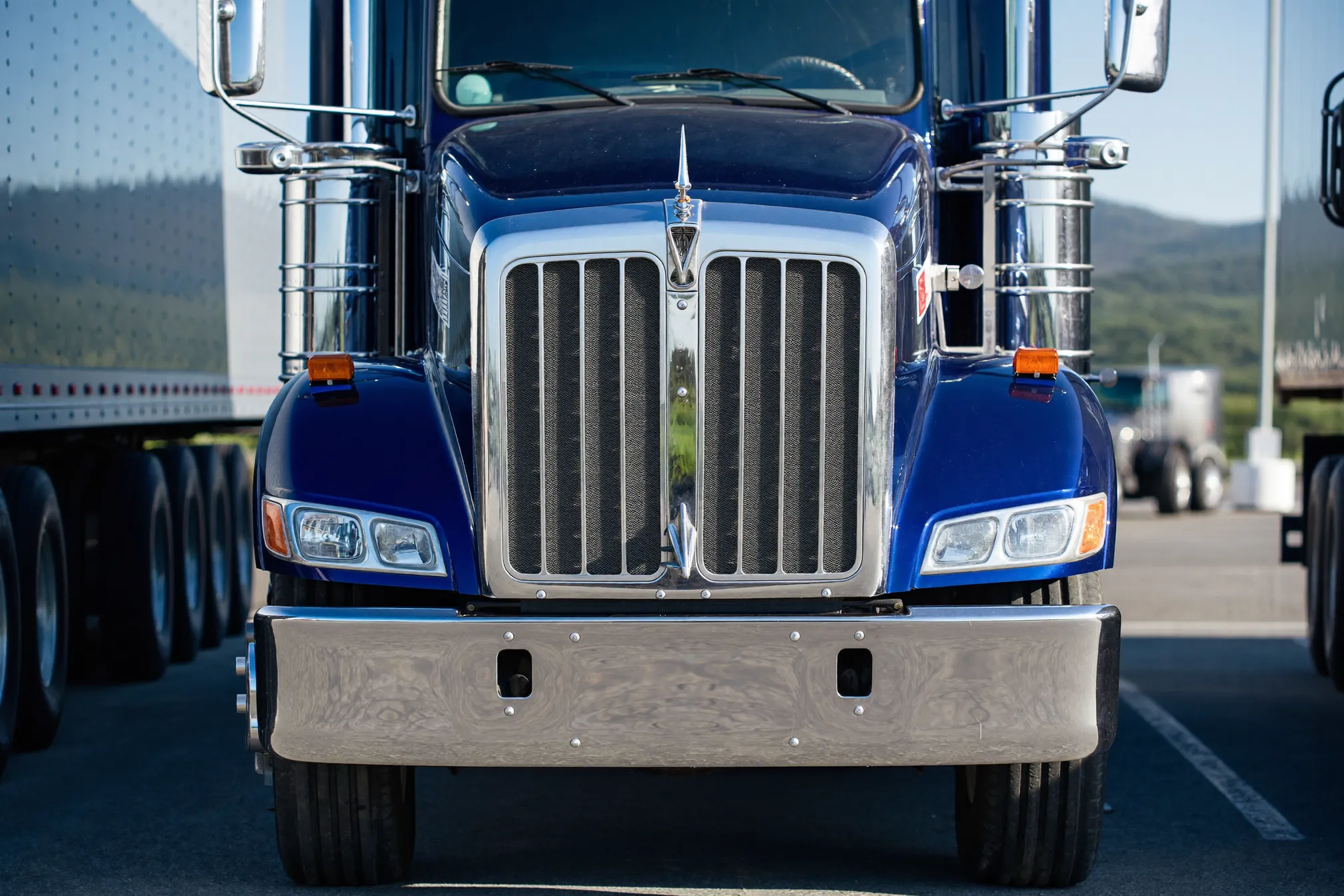
Auto liability
The policy every working truck is required to carry: it covers the people and property around you when your truck is at fault.
What it covers
- Bodily injury to third parties
- Property damage to vehicles, cargo docks, and roadway property
- Legal defense costs for covered claims
- Limits sized to shipper, broker, and FMCSA requirements
- Uninsured and underinsured motorist limits, set with your agent
- Medical payments for you and anyone riding with you
Who needs it
Required for every operating authority. If a truck moves under your MC number, this is the foundation the rest of your program sits on.
Typically priced as a percentage of stated value
Line 2 of 6
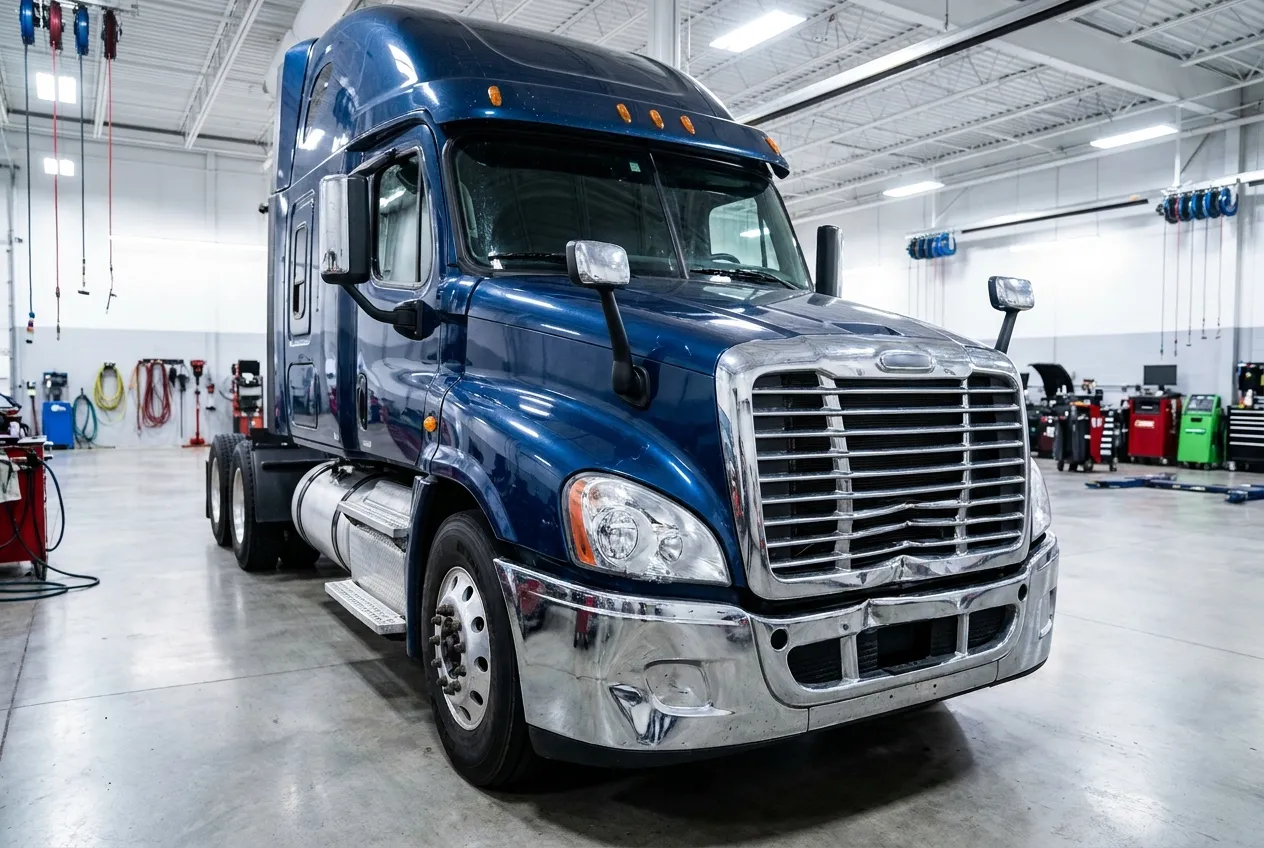
Physical damage
Liability pays for everyone else. Physical damage is the policy that rebuilds your truck — the one you may still owe payments on.
What it covers
- Collision — accident damage to your tractor and trailer
- Comprehensive — fire, theft, vandalism, weather, animal strikes
- Coverage written to the equipment’s stated value
- Meets lender requirements on financed equipment
Who needs it
Anyone with a loan balance or real equity in their tractor or trailer. If losing the truck means losing the business, this is the line that prevents it.
Typical requirement: $100K per load
Line 3 of 6
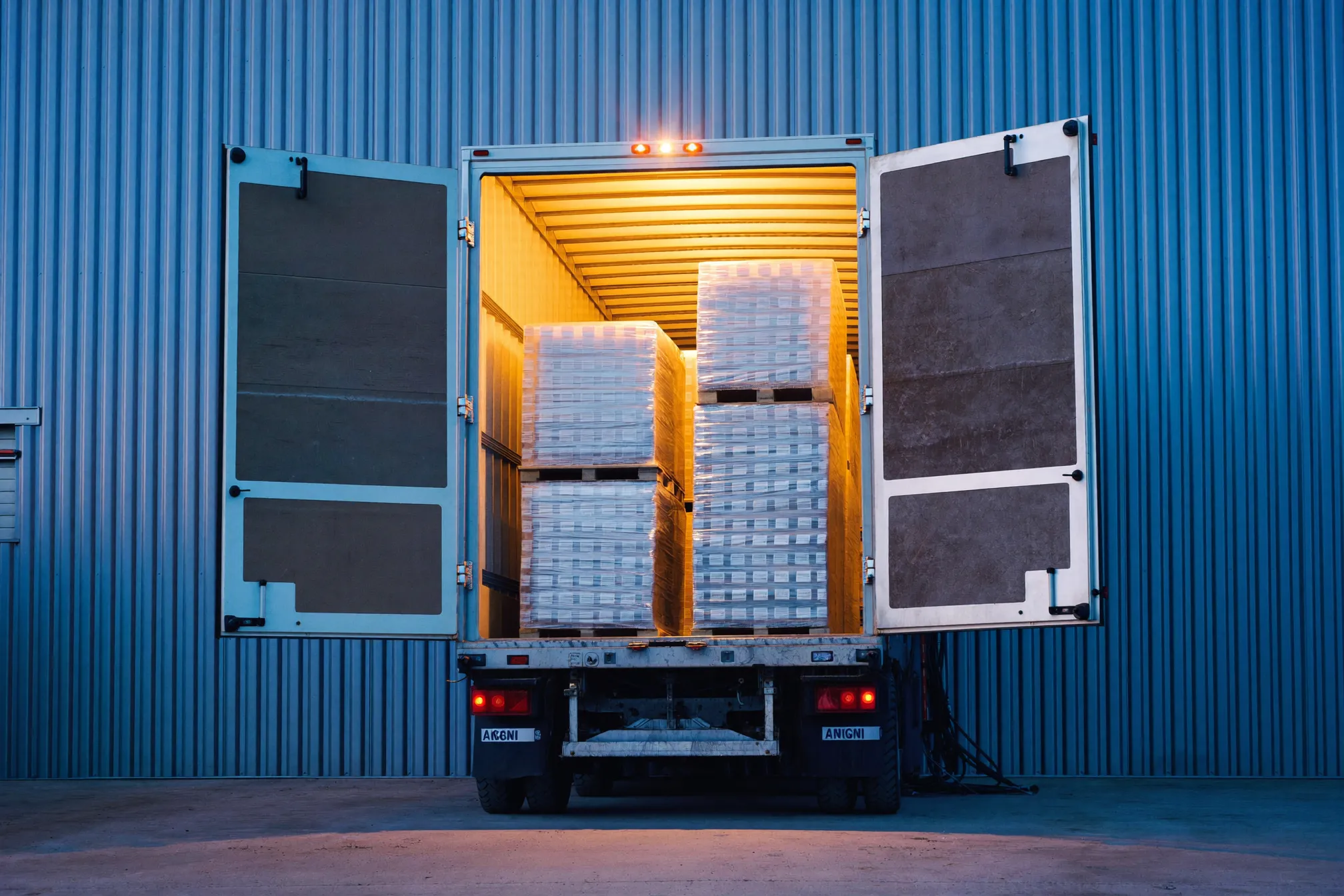
Motor truck cargo
Your liability policy protects everyone else. Cargo coverage protects the one thing you are actually paid to move.
What it covers
- Damage or theft of freight in transit
- Refrigeration breakdown options for reefer loads
- Debris removal and pollutant cleanup after a covered loss
- Limits matched to the commodities you actually haul
Who needs it
Brokers and shippers will not dispatch you without it. Tell us what you haul — produce, dry freight, building materials — and we match the form to the commodity.
Typical requirement: $1M per occurrence / $2M aggregate
Line 4 of 6
General liability
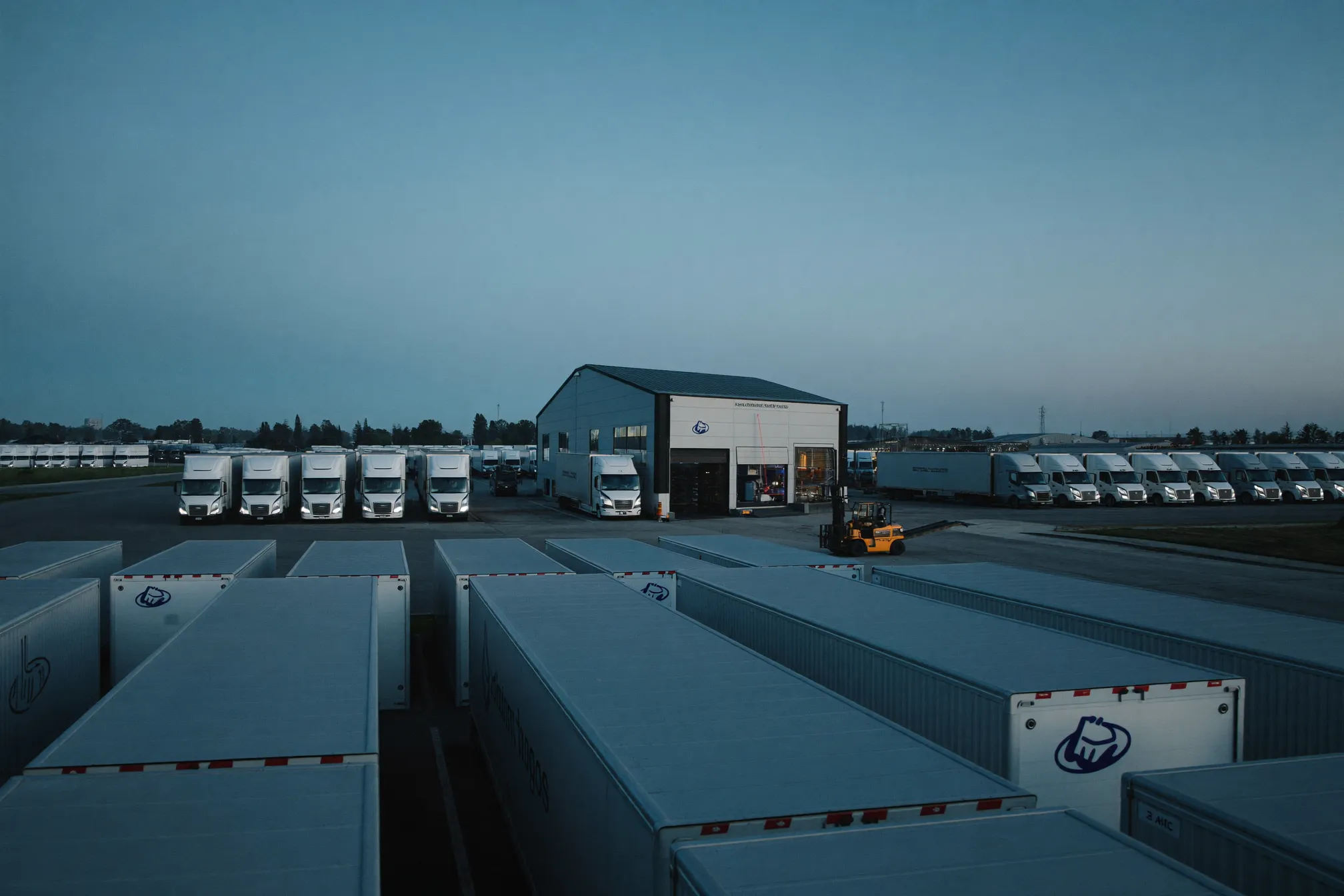
Auto liability stops at the truck. General liability covers the rest of your business — the yard, the dock, and the work that happens off the road.
What it covers
- Third-party injury on your premises — yard, office, or dock
- Property damage during loading and unloading not covered by auto
- Completed operations after the freight is delivered
- Certificates for shipper and broker contracts that require GL
- Hired and non-owned auto for vehicles you rent or your staff drives
Who needs it
Carriers with a yard, office, or dock — and anyone whose broker or shipper packet asks for a general liability certificate alongside auto liability.
Usually required by your lease agreement
Line 5 of 6
Non-trucking liability (bobtail)
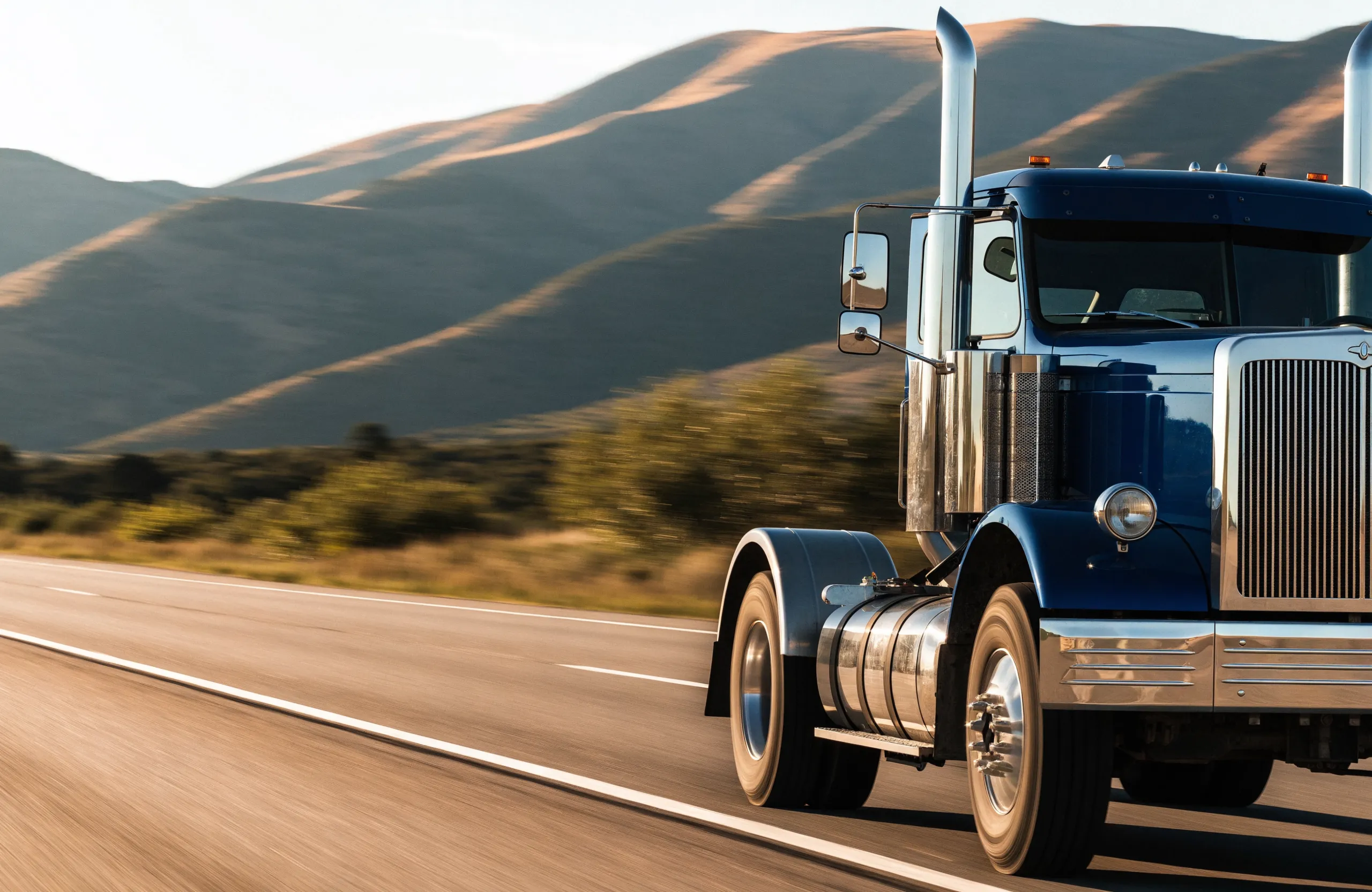
Your carrier’s policy covers you under dispatch. The moment you are not, it stops — and that is exactly when bobtail picks up.
What it covers
- Liability while the truck is driven for personal use
- Running empty between loads, off dispatch
- The drive home after you drop the trailer
- Proof of coverage for the carrier you are leased to
Who needs it
Owner-operators leased to a carrier. If your settlement statement shows a deduction for it, you are already paying for a policy someone else chose — we will quote it against the market.
Commonly written at $20K–$50K per trailer
Line 6 of 6
Trailer interchange
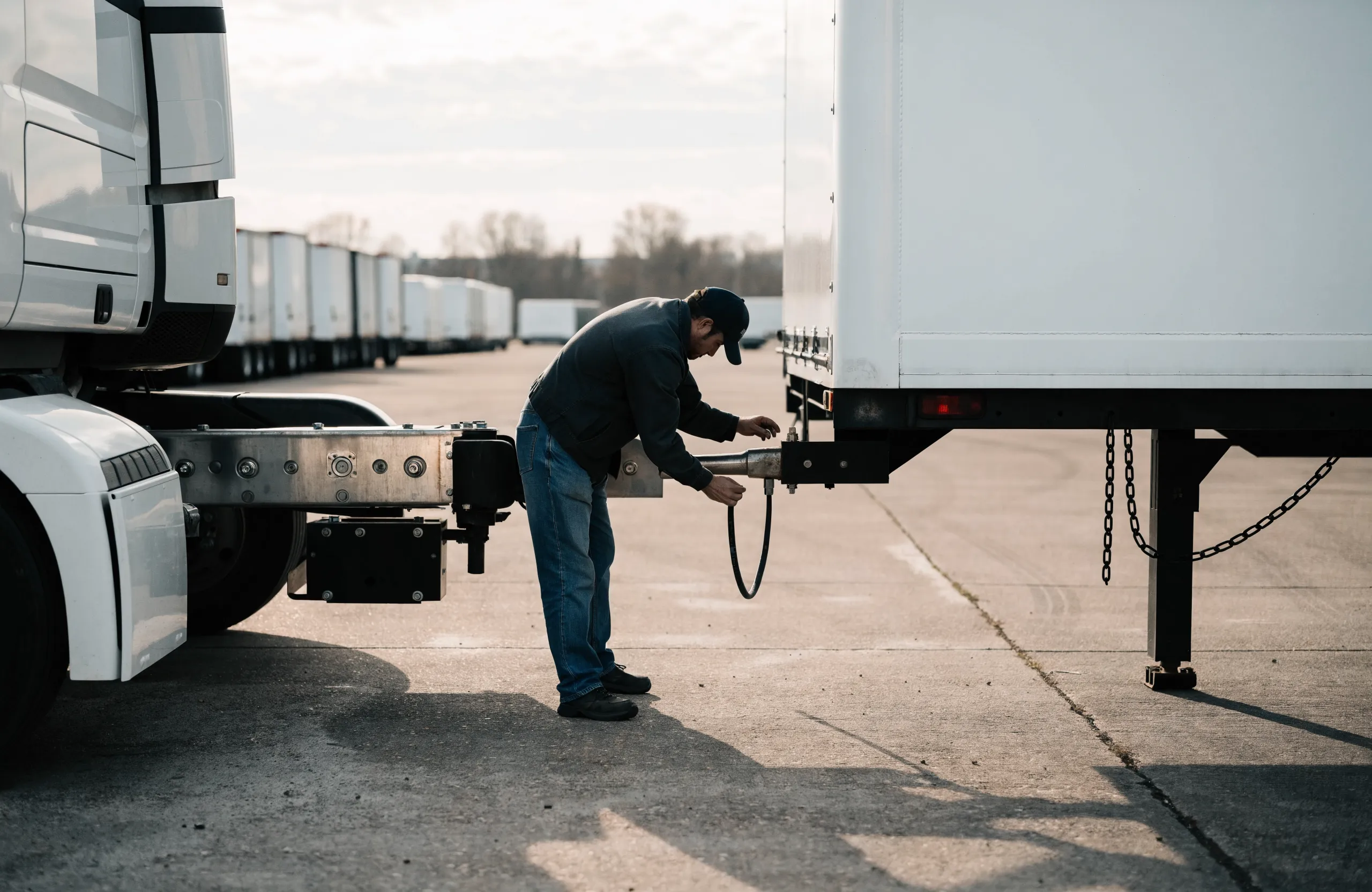
Pull a trailer you do not own and the damage is on you. Interchange covers the equipment itself while it is in your possession.
What it covers
- Damage to a trailer owned by someone else, under a written interchange agreement
- Collision, fire, theft, and vandalism while it is hooked to you
- Non-owned trailer coverage when there is no interchange agreement in place
- Certificates naming the trailer’s owner, the way the agreement requires
Who needs it
Drop-and-hook operations, intermodal, and anyone pulling a broker’s or another carrier’s trailer. Brokers ask for this one by name.
Got a USDOT number?
That’s all we need to start. Tell us what you haul and how you run, and we’ll combine the coverages you need to fit your business.